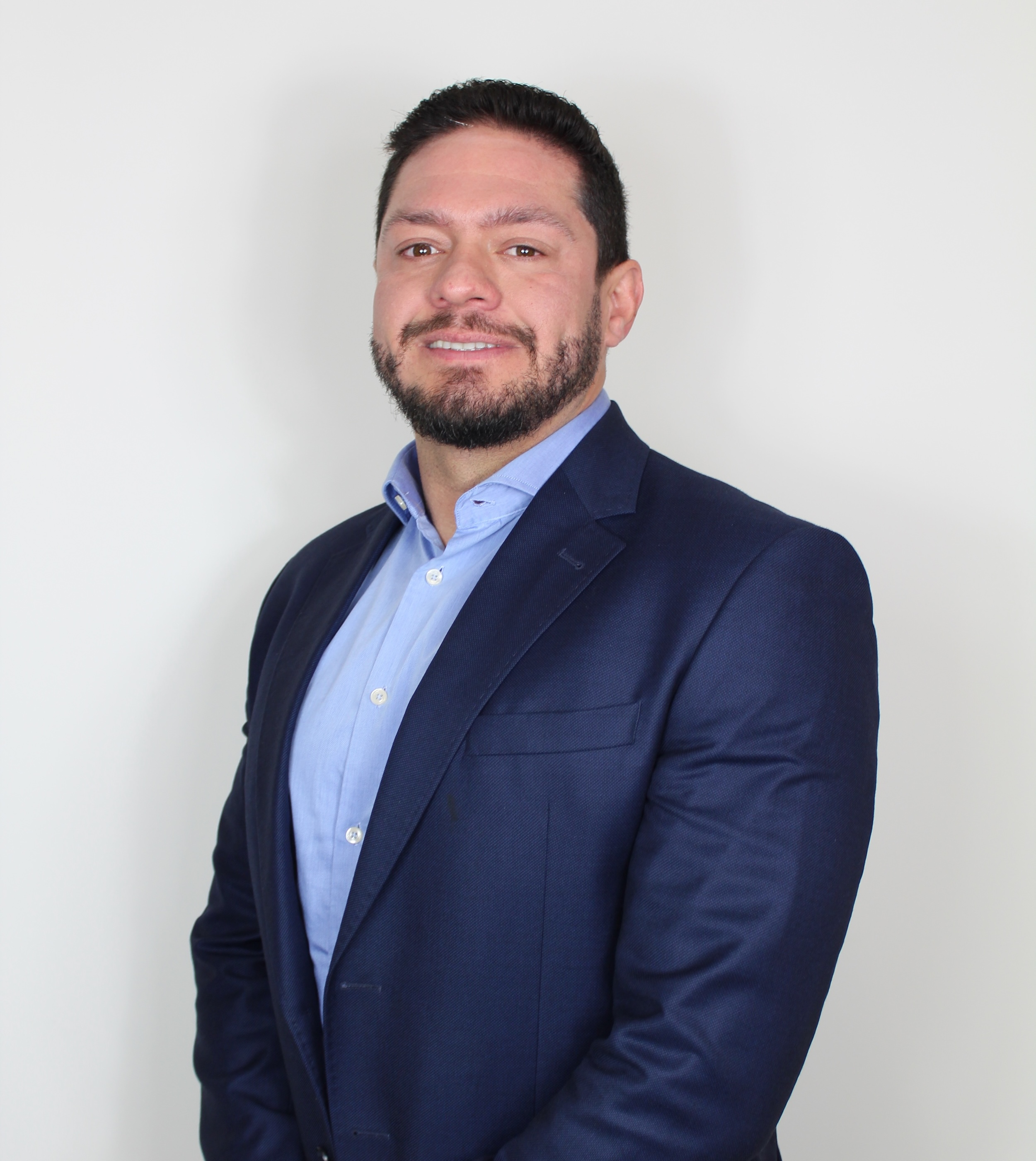
Gidalte Dias, Apolar Imóveis' master franchisee in Paraguay, discusses Brazilian investors' interest in Paraguay, promising locations, yields, risks and the support Apolar offers foreign buyers from search to title transfer.
“Most problems with overseas property investments do not arise from the price, but from the process.”
A lawyer with over 15 years' experience in Brazil and Paraguay in civil, business and contract law, he is managing partner of Geron & Dias Advogados Associados and president of ANACOMAR, the Chamber of Mediation and Arbitration.
How is interest in Paraguay evolving among Brazilian buyers and investors?
Interest has moved from curiosity to action. A few years ago Brazilians saw Paraguay as a shopping destination or a neighboring country for agribusiness. Today they see a place to invest, start a company and even live.
The reasons are concrete: low and simple taxes, a dollar-denominated property market, lower acquisition costs than Brazil, and cultural and geographic proximity that reduces perceived risk. According to the BCP, Paraguay recorded net direct investment of USD 1.151 billion in 2025, a record, while construction grew 4.2% year on year in the second quarter of 2026. These aggregate indicators do not measure property sales but show a country attracting capital.
We see it daily at Apolar. Within 15 days of opening one Asunción office, we had three sales, one rental and six viewings booked. Demand exists.
What deters Brazilians is not the price but uncertainty about the process: how to buy, what documents they need, how to transfer money and whom to trust. Apolar therefore manages the full transaction, including foreign buyers' personal documentation.
Which investor profiles and property types account for most demand?
We identify four profiles. First, income investors seeking dollar assets to rent out, generally one- or two-bedroom apartments in established Asunción neighborhoods, often purchased off-plan. Second, entrepreneurs moving some operations or their residence to Paraguay, looking for family homes and sometimes offices or warehouses. Third, farmers from western Paraná and Mato Grosso do Sul who already know Alto Paraná and Ciudad del Este and wish to diversify into urban property. Fourth, families and retirees seeking quality of life and lower costs.
Each profile has different needs. We start by understanding the client's objective, not showing a list of properties.
Which areas and cities offer opportunities, and what determines their appeal?
In Asunción, established neighborhoods such as Villa Morra, Carmelitas, Las Mercedes and Recoleta concentrate rental demand and provide greater liquidity.
The metropolitan corridor—Luque, Mariano Roque Alonso and Limpio—offers lower entry prices. In Luque we are following the 3.6-km mega-overpass, where beam installation has begun. It is important infrastructure, but its effects on mobility and property values can only be measured after opening. We recommend buying on today's fundamentals, not promises. We also watch Nueva Asunción and the Héroes del Chaco bridge area.
In the east, Ciudad del Este has a natural connection with Brazilian investors. Encarnación attracts tourism and second-home buyers.
Beyond cities, rural land in the Paraguayan Chaco is growing strongly. It is more affordable than in Brazil, with land suited to pasture, attracting Brazilian cattle ranchers. The Bioceanic Corridor and Carmelo Peralta–Porto Murtinho link could strengthen the trend, depending on actual completion and opening. These investments require prior technical and legal checks: water, environmental licenses, access and land-title status.
Road infrastructure, proximity to schools, hospitals and shopping centers, and security are key.
What returns, rents and appreciation can investors expect, and what risks should they consider?
Based on our market experience, conventional residential rentals generally yield 6–8% gross annually in dollars, depending on location and unit. Short-term executive and tourist rentals can reach 12–16% gross, but require professional management and depend on occupancy and building rules. Net returns are lower once vacancy, administration, maintenance and taxes are deducted. Beware promises that omit these costs.
Appreciation depends on buying well: a good location, reputable developer and proper paperwork.
The main risks lie in the process: defective titles, developers without track records, poor contracts or transfers outside formal channels. The ueno bank situation underlined the importance of assessing financial institutions and payment channels. The Deposit Guarantee Fund covers up to 75 minimum wages per person per institution under applicable legal conditions; higher amounts do not receive the same protection. We prioritize documentation and payment traceability. Properly registered real estate has a different legal status from a bank deposit. Dollar-denominated property transactions also carry exchange-rate risk for anyone earning or spending in another currency.
At Apolar, clients are supported throughout: title checks, contract review, notary coordination and payments. My legal experience taught me that prevention costs less than litigation.
How do you see the relationship between new developments and actual property demand?
Asunción is seeing many new buildings, which is positive, but not every project reflects real demand.
We ask: who will live here, or rent this unit? A well-located development with a suitable product and a developer with a record of delivery tends to hold value. Projects designed only to sell to investors, without real tenants, risk oversupply.
Our project selection is therefore central. Before presenting a development to a Brazilian client, we assess the developer, location, rental demand and contractual conditions.
A good intermediary does not sell everything: they filter.
What are the main differences between Brazil and Paraguay, and your outlook for 2027?
Brazil's market is far larger, with more mortgage finance, but also more bureaucracy, higher transaction costs and heavier taxes. Paraguay offers a dollar-denominated market, low simple taxes and a more agile purchasing process. Foreigners can buy with a passport, without residency.
With Brazil's high interest rates, fixed income is a competitive alternative. But those assets are denominated in reais and exposed to currency volatility and future rate changes. Paraguayan property is a real dollar asset with rental income and long-term appreciation potential. The two complement each other in a diversified portfolio.
The details of the purchasing process are what Brazilians know least, and where we add value. Apolar handles search, legal verification, negotiation, personal documents—including RUC tax registration and, if requested, residency through a dedicated team member—title transfer and subsequent rental management. Clients can invest from Brazil knowing that someone familiar with both legal systems oversees each step.
I am optimistic about 2027. Paraguay faces a demanding institutional period, but its fundamentals remain: a growing economy, young population, strategic Mercosur position and unmet housing demand.
Paraguay has what it takes to become the natural destination for Brazilian real-estate investment. With 57 years of experience and a presence in both countries, Apolar is ready to be the bridge.