Radar Inversión · 16/11/2026
Verified facts
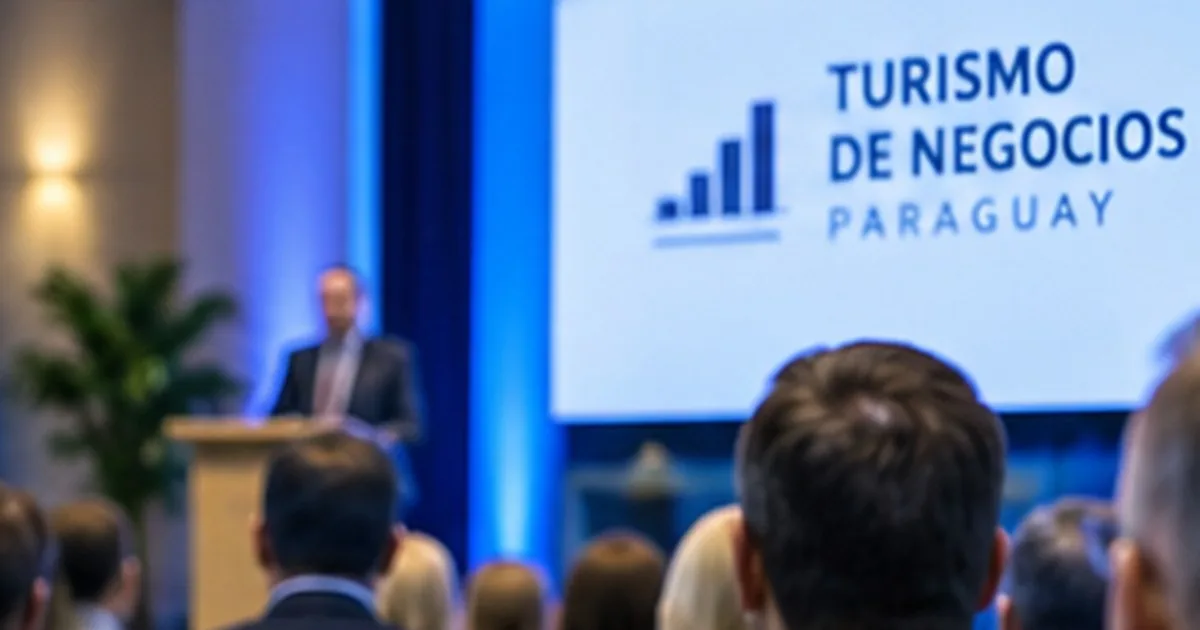
Paraguay's tourism authority Senatur and the Universidad Nacional del Este (UNE) are conducting a statistical survey at Paraguay Business Week 2026 in Hernandarias, Alto Paraná. Announced officially on 12 November, the study is designed to profile attendees, record visitor spending, examine perceptions of the event and assess local economic effects. University students and lecturers participate under the supervision of Senatur's Tourism Observatory.
Economic implications
Reliable surveys can help estimate how conventions and business gatherings affect hotels, restaurants, local transport and other services. Yet data collection is not a final revenue estimate, and it cannot by itself prove a causal impact for every sector. Sound reporting will require the sampling method, number of responses, reference dates and a distinction between local participants and travelers who stay overnight.
What investors should watch
For tourism businesses and event organizers, useful results would include visitor segments, length of stay and infrastructure needs. An event may support commercial activity, but actual benefits should be measured rather than inferred from attendance alone. Radar Inversión will follow the eventual official findings and will not assign a monetary figure before the study releases one.
Analysis and risks
Visitor surveys can support evidence-based tourism policy if the data distinguish expenditures attributable to the event from spending that would have occurred in the city anyway. Analysts should identify the reference period and avoid counting the same spending twice within travel groups. For the private sector, the findings could guide hotel capacity, transport services, restaurants and business-event promotion. The current activity is a data-gathering exercise, not yet a completed economic impact study. Announcing multipliers, total revenue or return-on-investment figures before the methodology and results are published would create false precision. The value of the initiative lies in making later policy and investment decisions better informed.
Additional analysis
Visitor surveys may help measure demand generated by conventions for hotels, restaurants, transport operators and local retailers. Relevant indicators include how many attendees traveled from other areas, how long they stayed and what they actually spent. Sampling matters: interviewing people at a business event does not automatically represent every visitor to Alto Paraná. Researchers also need to distinguish residents' ordinary expenditure from additional spending by those who traveled specifically for the gathering, avoiding exaggerated impact estimates. The eventual data could support investments in accommodation, mobility and business-event services. However, Senatur and UNE announced the collection of information, not final figures for revenue or jobs created. Radar Inversión will assess the published methodology and findings when available, distinguishing survey answers, estimates and measured expenditure.