
Economy · Brazil · 26/10/2026 · Radar Inversión
Reuters reported that November Brazilian real futures fell around 10% during Asian trading after Lula’s re-election, while a Brazilian equity fund listed in Tokyo declined 15%. These movements are not the outcome of Brazil’s local spot-market session.
Brazil in Paraguay’s trade
January–September 2026
- USD 2,742.8 million — Registered exports to Brazil
- USD 3,189.8 million — Imports from Brazil
- 59.6% — Brazil’s share of maquila exports
These figures describe trade before the election; they do not measure its effects.
Imports: check for better terms
A weaker real creates room to request new quotations but does not guarantee lower prices. A dollar-denominated purchase does not automatically become cheaper: any improvement must appear in the supplier’s offer. Comparing price, transport, financing and payment terms establishes whether the total cost offers an actual advantage.
Exports: protect margins and business relationships
For a Brazilian customer earning reais, a dollar obligation becomes more expensive when the currency weakens. Businesses should review margins and payment terms while maintaining advantages in quality, delivery and supply continuity. Currency pressure alone does not establish a decline in orders.
Border trade: track purchasing power
Sustained real depreciation reduces Brazilian consumers’ dollar purchasing power. Paraguayan retailers should monitor the real–guarani exchange rate, sales and product margins before changing prices or promotions.
Radar view
Movements in the real call for a review of purchasing and selling terms with Brazil. Importers can seek better offers; exporters and border retailers should protect margins and customers. Outcomes depend on each transaction and must be checked against prices, orders and commercial agreements.
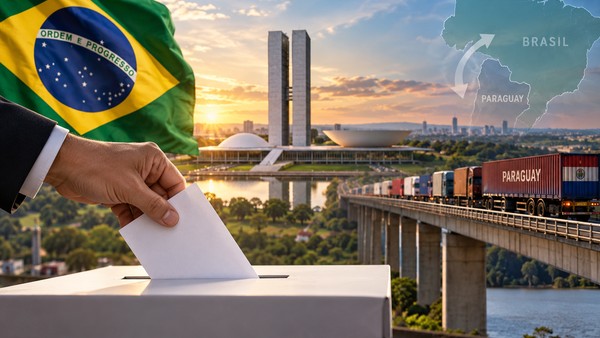
Original conceptual illustration by Radar Inversión. It does not depict an actual facility or event.